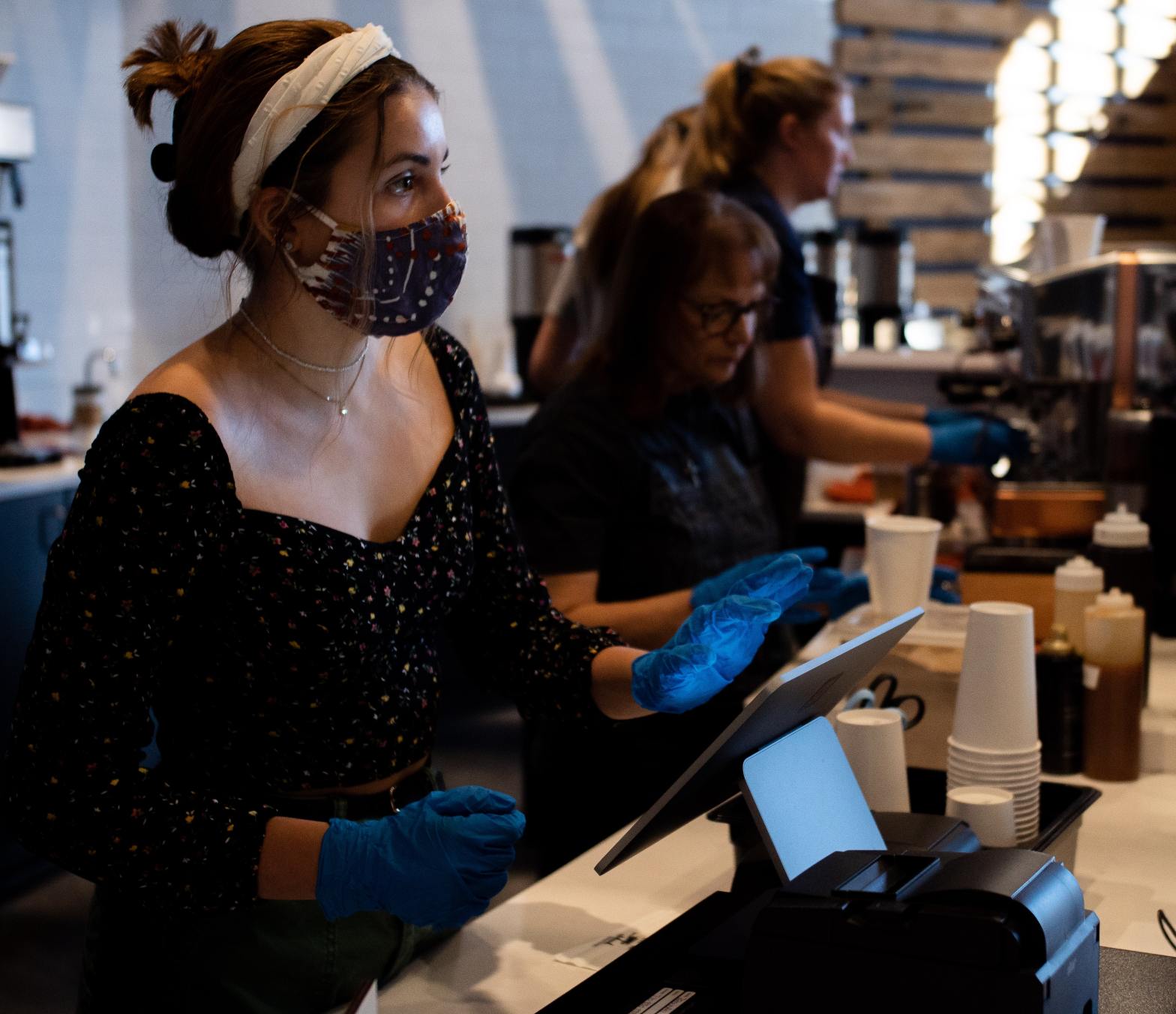
In 2017, restaurants saw nearly $800 billion in revenue. No one knew that just three years later, a deadly virus would threaten to wipe out the industry completely. Restaurants of all types and sizes have had to learn to adapt to this new environment or risk going under for good.
With the future of this sector so uncertain, failure to adopt new tech solutions now could have lasting and irreparable effects.
Expand and Innovate Restaurant Technology
Throughout the pandemic, restaurants as a whole saw a decline in sales. However, national chains with options for dining outside of the restaurant, reported an increase in traffic, especially those who implemented restaurant technology that makes dining out easier and safer for consumers.
When capacity is limited or indoor seating is forbidden, think about how you can expand your dining out methods to serve as many customers as possible.
Can you implement or expand on any of the following at your location?
- Delivery Services
- Drive Through Capabilities
- Curbside Pickup
- Innovative Outdoor Seating
- Take-out Options
- Driverless Distribution Services
To compete in today’s market, restaurants need systems and software in place that can integrate with third-party delivery apps, and communicate with independent contractors throughout the food labor chain to ensure safe, efficient, and effective customer service.
Find new ways to incentivize consumers who choose to stay at home; incorporate delivery services like the following:
- DoorDash
- GrubHub
- Uber Eats
- Instacart
- Postmates
- Seamless
- goPuff
- Delivery.com
- Eat 24
- Caviar
- Bite Squad
- Munchery
Invest in Tech that Slows the Spread
The Health Department isn’t your only critic anymore. These days, consumers are in a heightened state of fear and paranoia surrounding the virus. In other words—everyone is a germaphobe now.
Wiping down surfaces and menus after each diner won’t cut it anymore; it’s not enough to wear masks and gloves. If you want your customers to feel safe enough to keep coming back, you need to implement new restaurant technology that will eliminate as much risk of exposure as possible.
Encouraging customers to use their own smartphones as virtual ordering tablets decreases the number of touchpoints between employees and patrons. This can drastically reduce the spread of germs and bacteria.
Here are some other examples of tech that can help eliminate the risk of spreading infection:
- Virtual Menus
- Touchfree Kiosks
- Digital Payment Methods
- QR Codes
- Online Ordering
- Mobile Apps
- Vaccine Passports
- Antimicrobial POS Systems
COVID-19 forced the foodservice sector to confront decades of evolution in a matter of months. Those who invented safer ways of serving customers adapted and survived. Many succumbed to the economic pressures of lockdown and illness.
But as long as there are innovators, early adopters, and mavericks willing to invest in restaurant technology, creative ideas, and new ways to work as a team, the industry will continue to thrive.
 @DatingtrApps