The number one concern among consumers regarding self-driving vehicles is safety. Can we rely on driverless technology to transport and protect our most precious cargo?
According to Waymo, the company who chartered Google’s self-driving cars in 2009, there are 1.35 million annual deaths caused by car accidents around the globe. And in the United States, 95% of all vehicular crashes are caused by human error.
Turns Out We Can’t Drive
“Driving situations can involve hundreds of objects each with their own unique behaviors and intentions. The Waymo Driver takes the information it gathers in real time, as well as the experience it has built up over its 20+ million miles of real world driving and 20+ billion miles in simulation, to anticipate what other road users might do. It understands how a car moves differently than a cyclist, pedestrian, or other object, and then predicts the many possible paths that the other road users may take, all in the blink of an eye.”
Think of all the times your heart skipped a beat because you looked down for one second to grab your water out of the cup holder. I won’t even shame you about looking at your phone, you know who you are.
One argument for robotic cars—zero distractions. They never get drunk or sleepy. They don’t get distracted trying to find the perfect road trip playlist, or fall victim to a number of other mistakes.
So that begs the question, are we the problem after all?
Are Self-Driving Vehicles Safe?
Only time will tell as driverless vehicles are tested in a multitude of ways to prepare them for the open road.
One company has found a way to test its autonomous shuttles in a low-risk environment. Auro first built their shuttles to transport students and faculty throughout the Santa Clara University campus.
After Auro was acquired by Ridecell, they began looking into other private properties that control their own traffic laws. This way, the vehicles can be beta tested in a controlled environment with a decreased risk of accident or injury.
- Vacation Properties
- Amusement Parks
- Parking Lots
- Assisted Living Facilities
- Airports
Two T.E.D.D.Y shuttles were deployed to transport visitors throughout the park to high-trafficked areas like the visitor center, campgrounds, or the amphitheater.
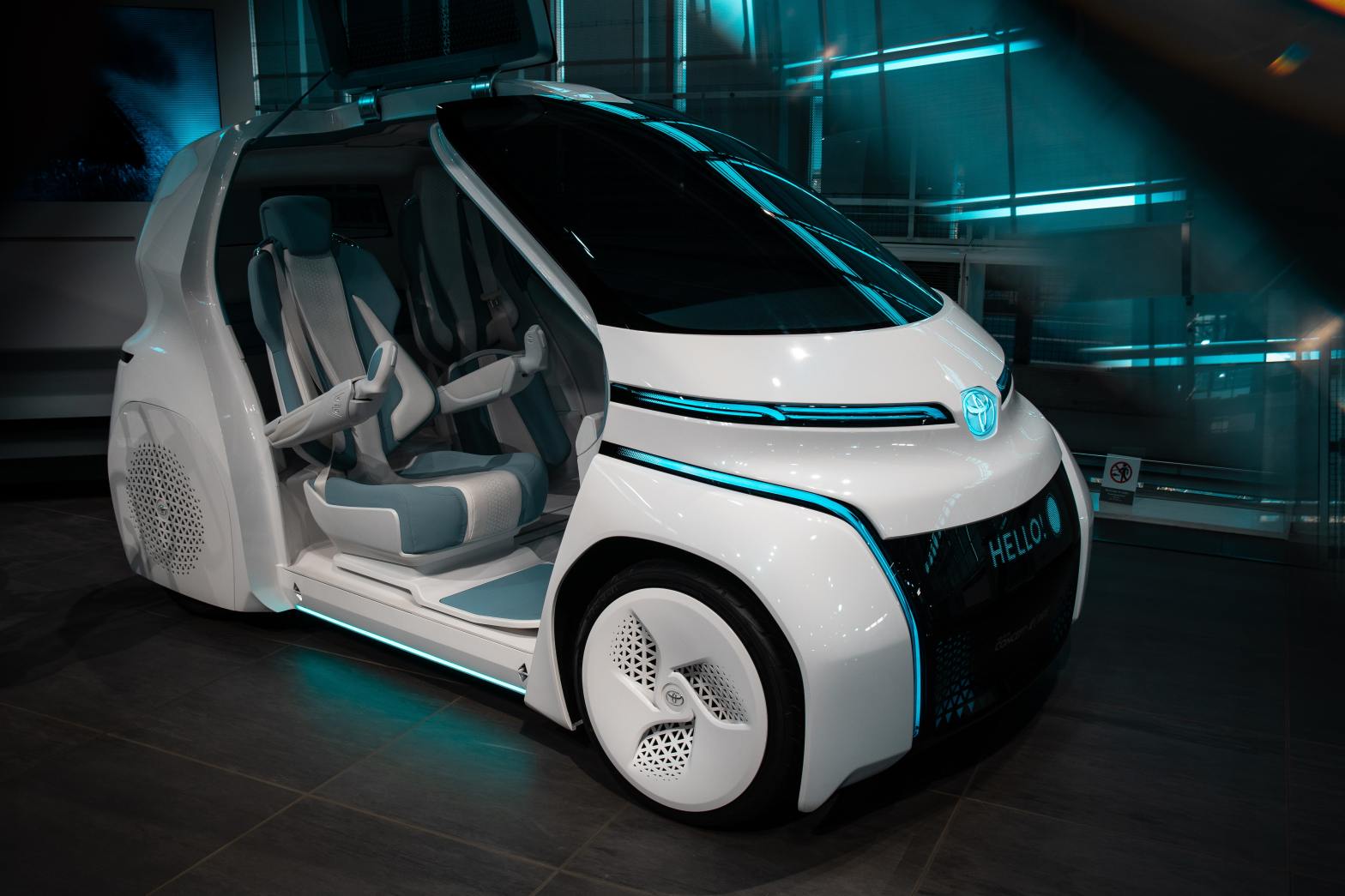
Even Toyota provided self-driving shuttles for the Olympic Village in Tokyo.
Companies are testing their cars on closed courses like these in addition to running simulations, and utilizing crash avoidance and hazard detection technology, so that they can ensure their self-driving vehicles are as safe as they can possibly be before they’re released onto public roads.
 @DatingtrApps